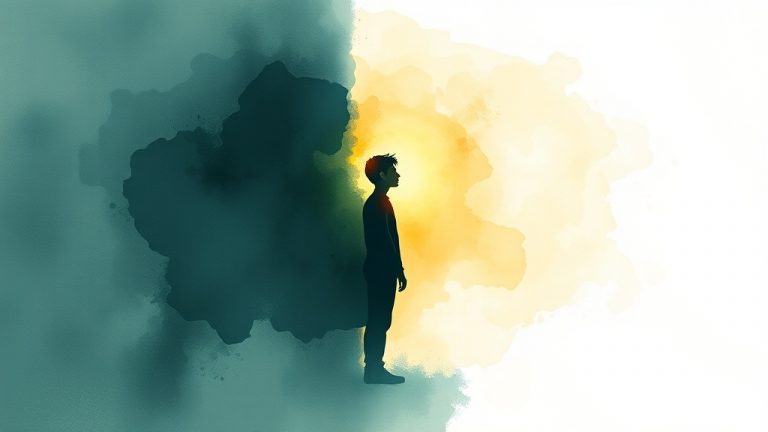
7 Signs Your Anger Might Be Telling You Something Important
Anger gets a bad reputation. Most of us grew up learning that anger is dangerous, destructive, or something to be ashamed of. But anger itself isn’t the problem — it’s what happens when anger goes unrecognized or unexpressed that creates difficulty in our lives and relationships.
As a therapist working with men and individuals struggling with anger in Vancouver, I’ve seen how understanding anger’s deeper messages can be genuinely transformative. Here are seven signs that your anger may be trying to tell you something worth listening to.
1. You Explode Over Small Things
When you find yourself having an intense reaction to something minor — a slow driver, a misplaced item, a slightly dismissive comment — it’s usually a sign that something deeper is going on. That small trigger is often the last straw on top of unaddressed frustration, hurt, or stress that has been building for days, weeks, or even years. The intensity of the reaction rarely matches the situation because the reaction isn’t really about that situation.
2. You Feel Numb or Shut Down
This might seem counterintuitive, but emotional numbness can actually be a sign of suppressed anger. When we learn early in life that anger isn’t safe to express, we may unconsciously shut down our ability to feel it — and often, other emotions get shut down along with it. If you feel disconnected, flat, or like you’re going through the motions, unexpressed anger could be part of what’s underneath.
3. Your Body Is Keeping Score
Chronic tension in your jaw, shoulders, or fists. Headaches that won’t quit. Stomach problems that have no clear medical cause. Our bodies are remarkably honest even when our minds try to push feelings away. If you’re carrying persistent physical tension or unexplained pain, your body may be holding the anger your mind won’t acknowledge.
4. You Use Sarcasm as a Shield
Sarcasm and passive-aggressive behaviour are often anger in disguise. If you find yourself making cutting jokes, giving people the silent treatment, or “forgetting” to follow through on things for people you’re upset with, it may be a sign that you have anger you haven’t found a direct way to express. These indirect expressions of anger tend to damage relationships without ever addressing the real issue.
5. You Can’t Stop Replaying Conversations
Rumination — going over and over a situation in your mind, rehearsing what you should have said, imagining confrontations — is often a sign of unprocessed anger. Your mind keeps returning to the scene because something important happened there that hasn’t been resolved. The anger is asking you to pay attention to a boundary that was crossed or a need that went unmet.
6. You Feel Angry at Yourself More Than Others
Self-directed anger often shows up as harsh self-criticism, perfectionism, or self-sabotage. Many people — particularly those who were taught that it’s not okay to be angry at others — turn their anger inward. If your inner voice is relentlessly critical, it’s worth asking: who was I originally angry at? Sometimes the anger we direct at ourselves actually belongs somewhere else.
7. Your Relationships Keep Having the Same Conflict
Repeating patterns in relationships — the same arguments, the same dynamics, the same feelings of being misunderstood or taken for granted — often point to deeper anger about unmet needs. When we don’t understand what our anger is really about, we can’t communicate it clearly, and the pattern keeps cycling. Breaking the pattern starts with understanding the message underneath the anger.
What Your Anger Is Really Saying
At its core, anger is an emotion that signals something matters to you. It arises when a boundary has been violated, a value has been disrespected, or a need has gone unmet. Rather than being your enemy, anger can become one of your most valuable guides — if you learn to listen to it with curiosity rather than fear.
In therapy, we can explore your relationship with anger in a safe, non-judgmental space. You can learn to recognize anger’s early signals, understand what it’s really communicating, and develop healthier ways to express it that strengthen rather than damage your relationships.
Ready to Explore?
If you recognized yourself in any of these signs, that’s not something to be ashamed of — it’s the beginning of self-awareness. At Inner Life Strategies, I help men and individuals in Vancouver and across BC develop a healthier, more empowered relationship with anger.
Book a free consultation to start exploring what your anger has been trying to tell you.